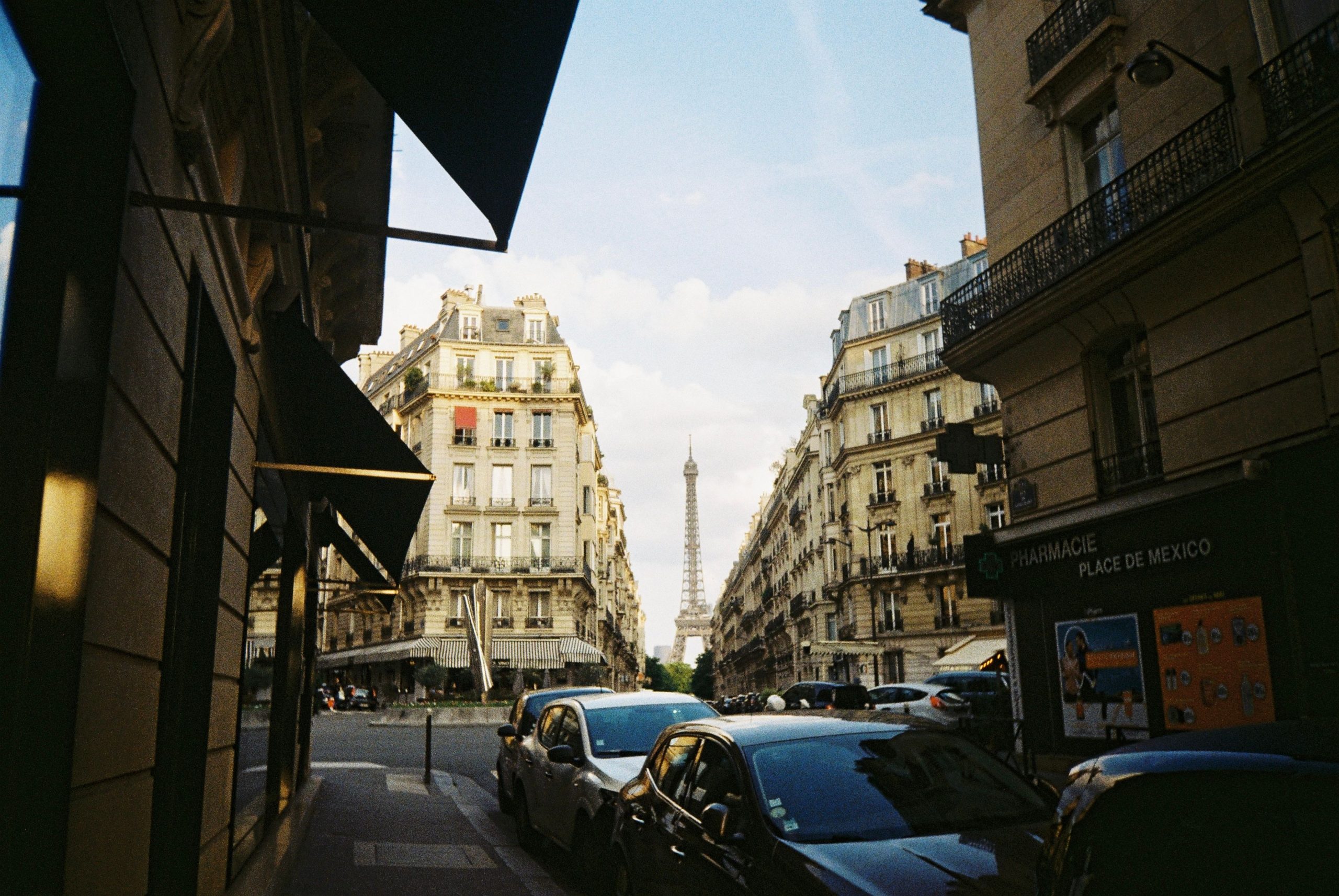
For a weekend away, the best city is not necessarily the one with the longest list of landmarks. It is the one where a couple of good plans fit comfortably between arrival and departure. These five make different promises: layers of history, hillside wandering, walkable old streets, waterfront calm or architecture with a pulse. Treat this as a shortlist for 2027, not a timetable: check transport, opening hours and entry requirements again before booking.
Rome: for history you can’t contain in one visit
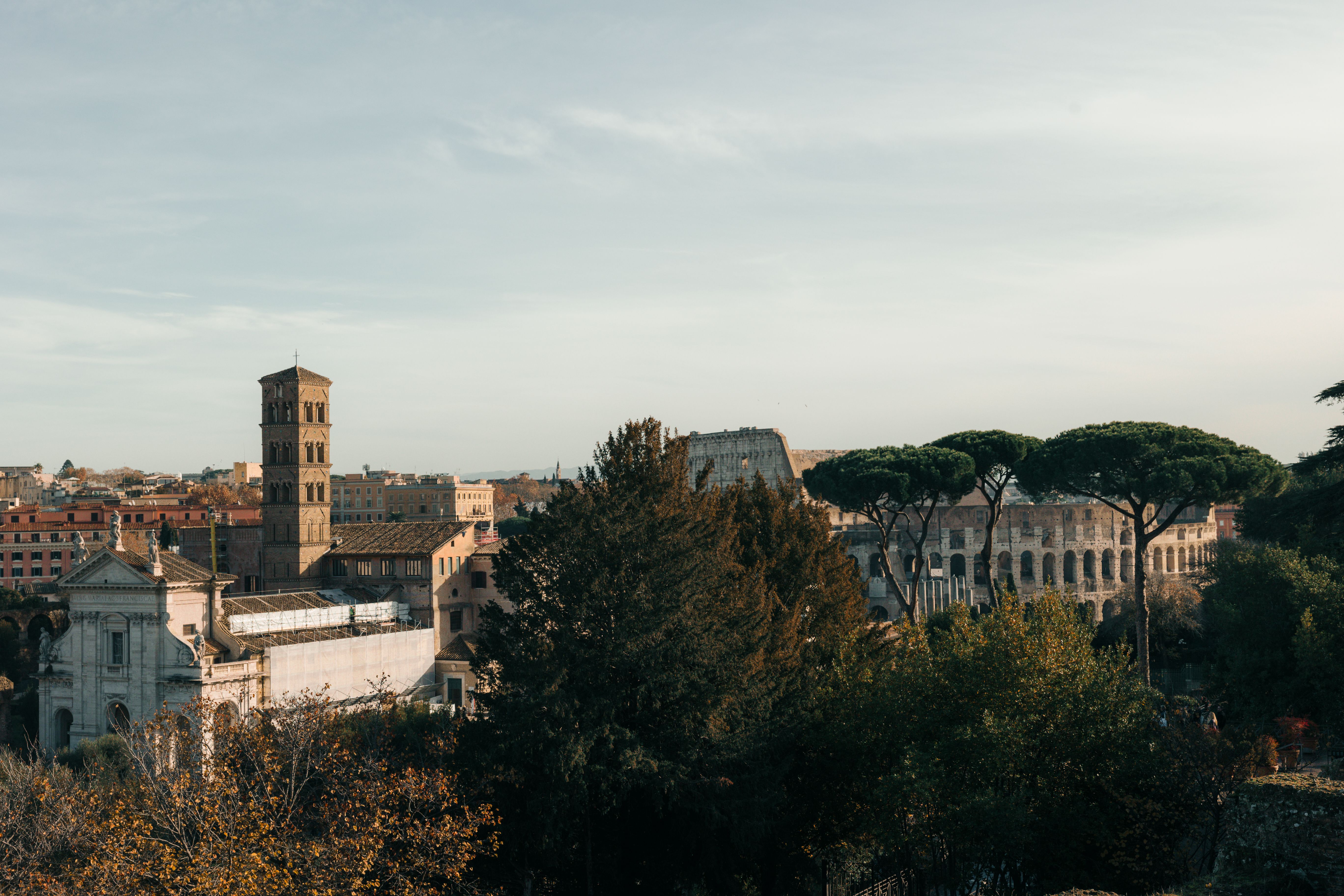
Rome is the choice when the city itself is the attraction. The ancient forums, Pantheon and Baroque piazzas sit within a much larger historical landscape; UNESCO describes the historic centre as a layered ensemble shaped across millennia. That abundance is also the catch: don’t plan the Colosseum, Vatican Museums and every famous square in one weekend. Choose one major timed visit each day, then leave space for a long lunch and aimless evening walk. Rome suits travelers who enjoy atmosphere as much as ticking off sights.
Lisbon: hills, trams and a slower rhythm
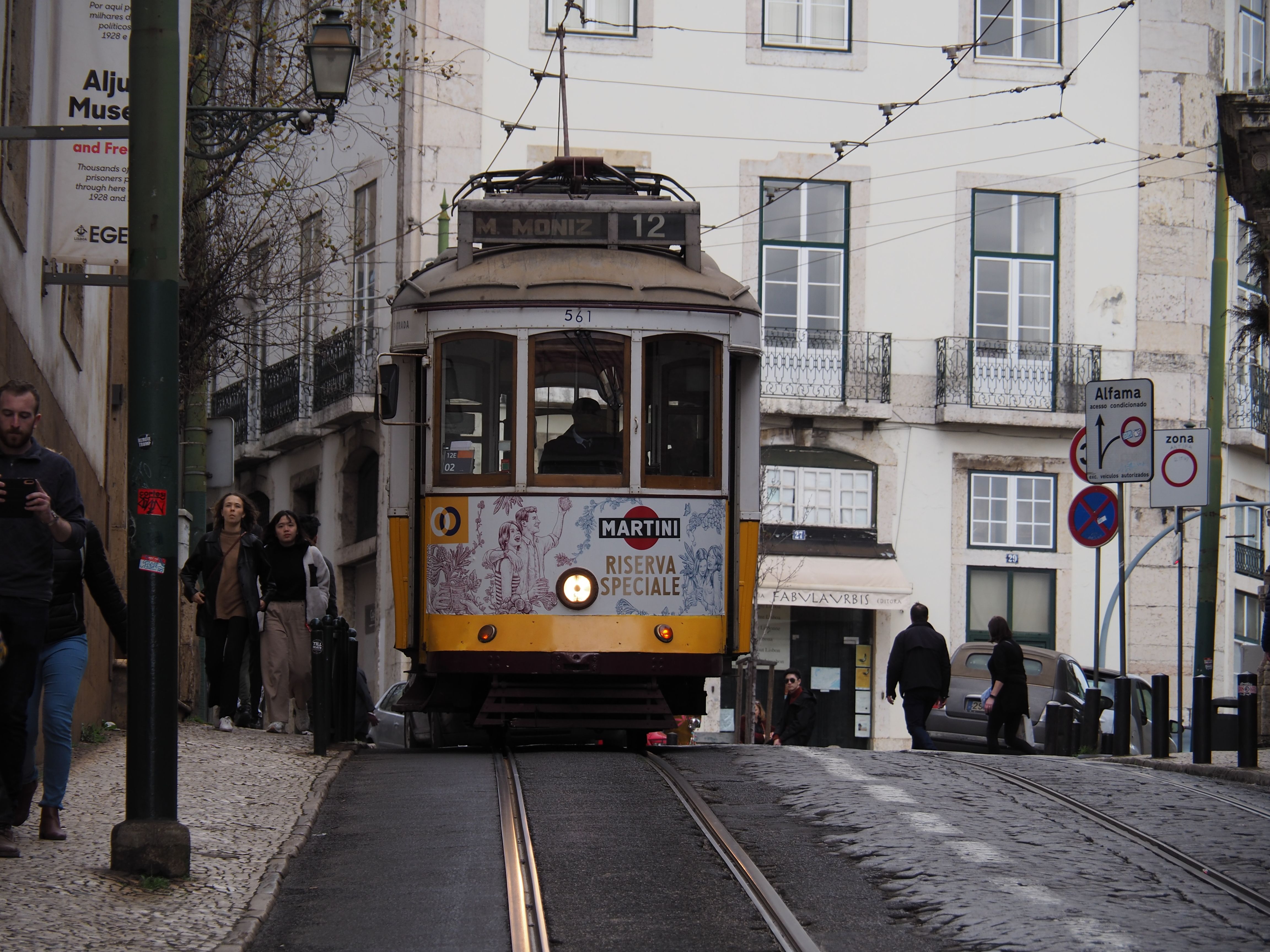
Lisbon makes a short break feel sunny even when the itinerary is modest: viewpoints, tiled streets, seafood and music carry a day without a packed museum schedule. Its steep lanes are beautiful but tiring, so use transit strategically and avoid booking accommodation solely for a postcard view if hauling luggage uphill will sour the first hour. The city’s official visitor guide recommends discovering Alfama little by little, with pauses for its overlooks and cafés. That is sound weekend advice: wander, stop, and let the neighborhood set the pace.
Prague: the compact classic
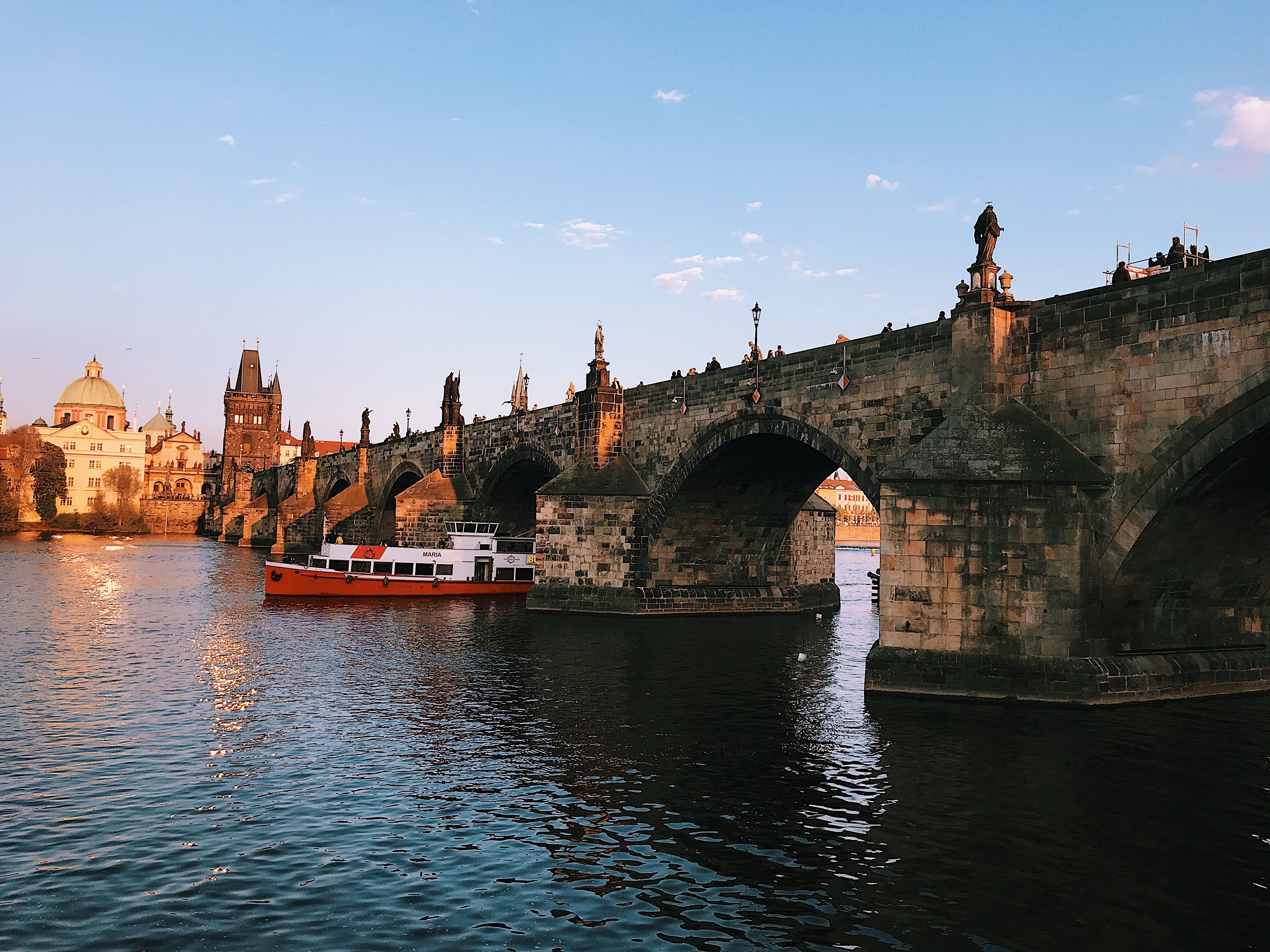
Prague is an easy recommendation for a first European city break: the Vltava, castle district, Old Town and Charles Bridge give a two-day visit a clear shape. UNESCO’s description of the historic centre notes how Gothic, Baroque and later architecture coexist in a remarkably intact urban plan. The practical trick is timing. Cross Charles Bridge early or after the busiest sightseeing hours, then spend time on the opposite bank rather than treating the bridge as a photo stop. Prague’s central sights are close, but the quieter reward is in the lanes between them.
Copenhagen: a weekend built around good everyday design
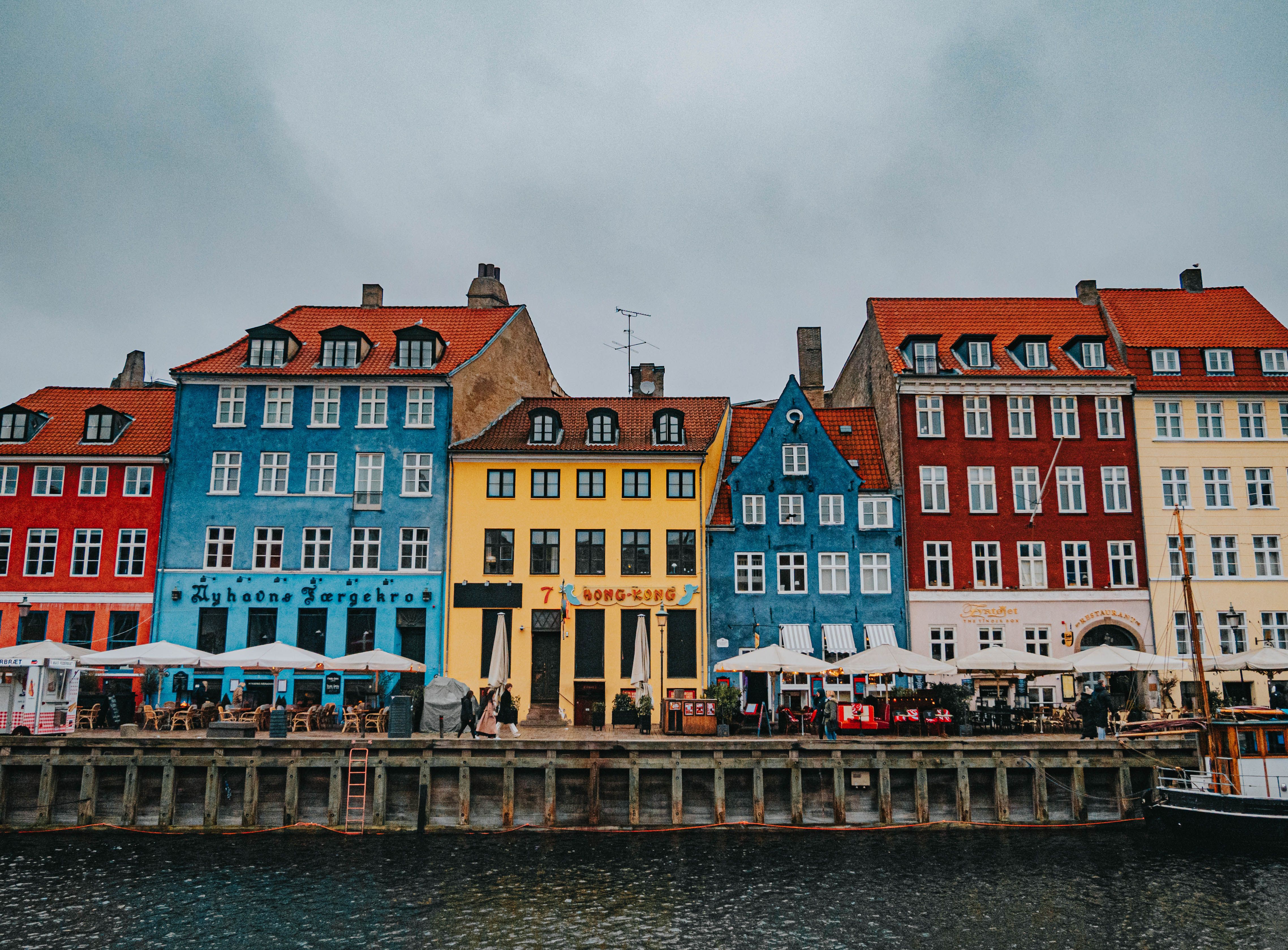
Copenhagen works best for travelers who would rather cycle, browse a bakery and explore a neighborhood than queue for a string of monuments. Nyhavn is an obvious first walk, but don’t let its bright waterfront become the whole trip: pair it with a canal-side wander through Christianshavn or an afternoon in Nørrebro. The city is polished without feeling like a museum, and its pleasures are often small-scale. I’d pick Copenhagen for a repeat weekend, or for anyone who finds a slower, design-minded city more restorative than a packed itinerary.
Barcelona: architecture, old-town wandering and late dinners
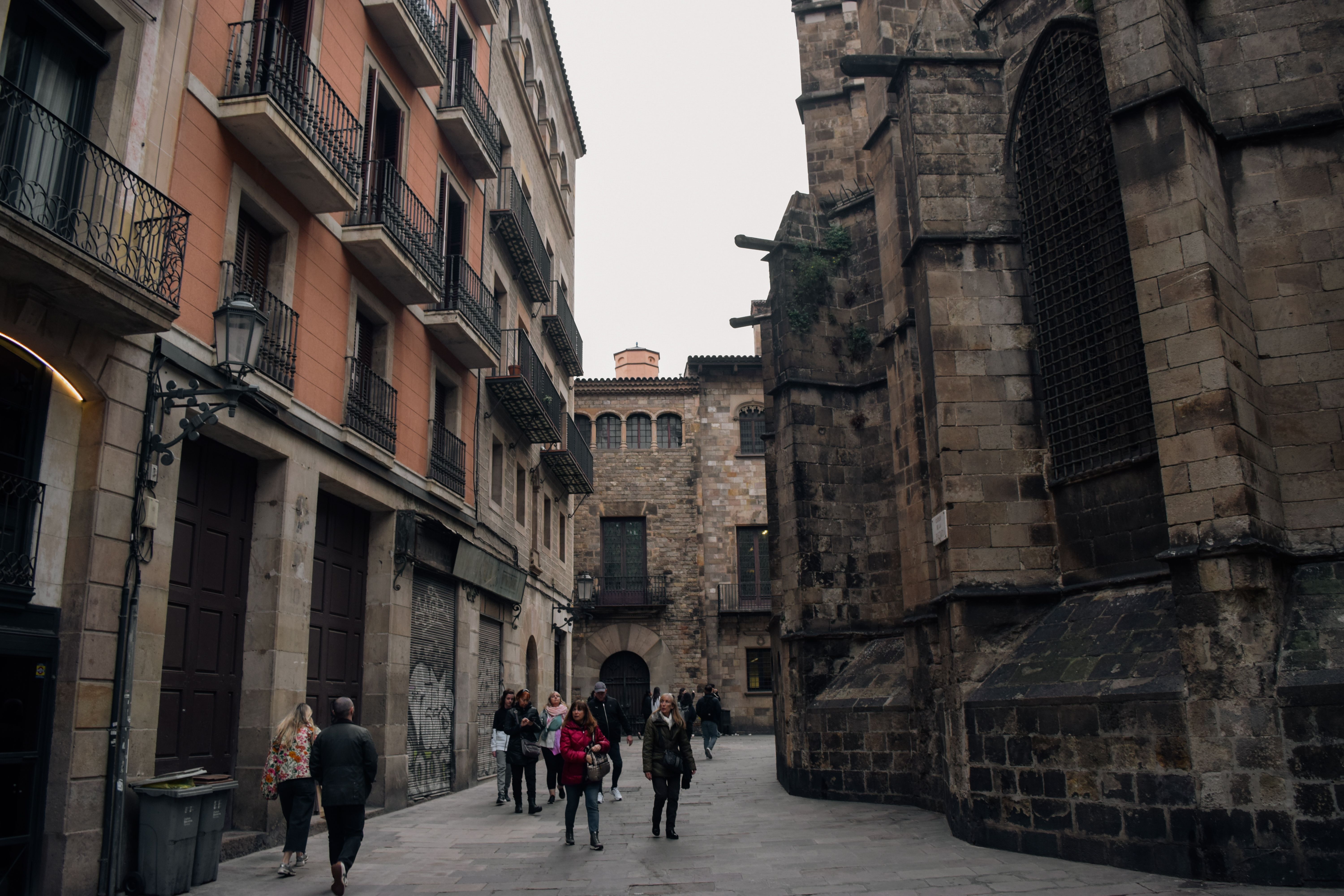
Barcelona gives you a strong contrast in a small area: the narrow streets of the old town, the broad Eixample grid and Gaudí’s unmistakable buildings. It is tempting to make Sagrada Família the entire weekend, but the city is better when that visit is balanced with an unplanned stroll and a meal that starts later than you expect. Reserve high-demand attractions ahead, and check current local guidance before travel. Barcelona is the liveliest pick here; choose it for food, architecture and urban energy, not for a quiet escape.
How to choose
My shortlist comes down to one question: do you want your weekend to be dominated by a landmark, a neighborhood or simply the pleasure of being outside? Rome and Barcelona reward advance reservations; Lisbon rewards comfortable shoes; Prague rewards clever timing; Copenhagen rewards leaving room in the day. If your route instead takes you through Munich, our romantic Munich date ideas guide offers another way to plan an evening, while visitors looking for private company can review München escort options.
For a first trip, I’d choose Prague for the easiest sightseeing weekend, Lisbon for a relaxed one, and Rome when history is the reason you’re going. In 2027, the smartest booking is still the one that leaves enough time to enjoy the city between the headline stops.