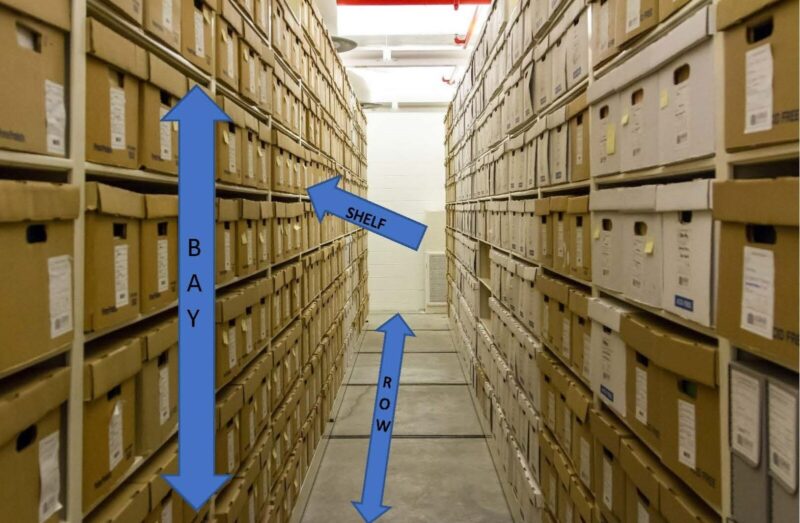
Archive rooms often grow over time until they take up far more space than originally planned. Paper records accumulate, shelving fills up, and before long valuable floor space is lost. The good news is that it is possible to significantly reduce archive room space without losing access to important documents. The key lies in smarter storage methods, better organisation, and a clear approach to what truly needs to remain on site.
Optimise storage methods and container choice

One of the fastest ways to reduce archive room space is by improving how records are physically stored. Many archive rooms waste space due to oversized containers, inconsistent storage formats, or poorly stacked materials. Switching to a standardised storage system allows you to maximise every shelf and aisle.
Using a uniform box file (click here) size makes a major difference. When all records are stored in the same format, shelves can be packed more efficiently with minimal wasted gaps. Boxes stack neatly, are easier to label, and allow for predictable capacity planning. Overfilled or mismatched containers should be avoided, as they reduce handling efficiency and often lead to unused air space on shelves.
Vertical space is another commonly overlooked opportunity. Adjustable shelving systems allow you to raise or lower shelf heights to match box dimensions precisely. This simple change can reduce the total shelving footprint while keeping all files immediately accessible.
Improve organisation and retrieval systems
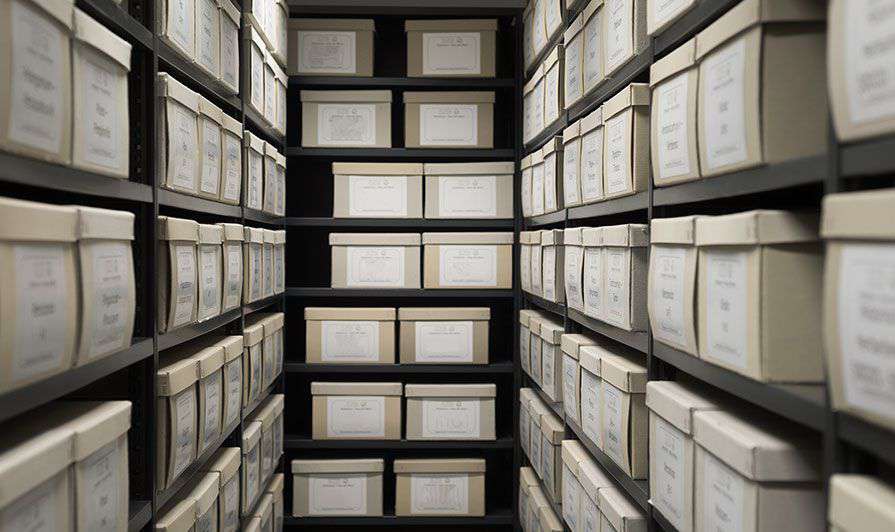
Cutting space should never come at the cost of accessibility. In fact, better organisation often improves access while reducing storage volume. Many archive rooms grow unnecessarily because files are duplicated, misfiled, or kept longer than required.
Start by implementing a clear indexing and labelling system. Every container should have a consistent label that includes contents, date ranges, and reference codes. A central register or digital index allows staff to locate records quickly without physically searching through shelves.
Access frequency should guide placement. Frequently accessed records should be stored at eye level and near entry points, while rarely accessed materials can be placed in higher or less convenient locations. This allows denser storage layouts without slowing down daily operations.
By reducing handling time and confusion, better organisation often makes it possible to store more records in less space while improving overall efficiency.
Reduce volume through retention and digitisation strategies

Another powerful way to reclaim archive room space is by reducing the total volume of paper stored on site. Many organisations hold records far beyond their required retention period simply because no clear process exists for review and disposal.
Establishing a retention schedule ensures that records are only kept for as long as legally or operationally necessary. Regular audits help identify files eligible for secure destruction, freeing up space without impacting access to active records.
Digitisation also plays an important role. Frequently referenced documents can be scanned and stored digitally, allowing the physical originals to be moved to compact long term storage or removed entirely where permitted. This hybrid approach maintains access while dramatically reducing the physical footprint of archives.
Conclusion
Reducing archive room space does not require sacrificing access or control. By standardising storage containers, improving organisation, and actively managing record volume, organisations can reclaim valuable space while maintaining fast and reliable access to information. A thoughtful archive strategy turns storage from a growing problem into an efficient, controlled system that supports both operational needs and long term compliance