
Pogust Goodhead’s financial difficulties have raised concerns about what could happen to clients involved in its largest class action and group litigation cases. The firm has relied heavily on external financing to pursue long-running claims against major corporations, but rising debt, leadership disruption, and questions about expenditure have increased scrutiny of whether this model can remain stable until those cases produce revenue.
Spending Allegations Intensified Financial Scrutiny
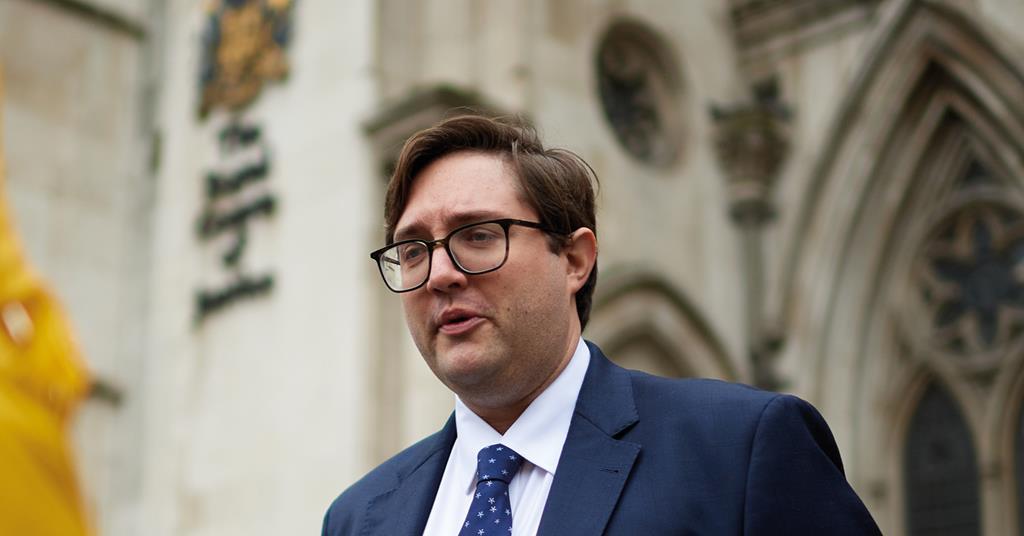
Reports concerning lavish spending claims against a UK lawyer brought renewed attention to the management of Pogust Goodhead under co-founder Tom Goodhead. Allegations referred to private flights, luxury accommodation, expensive hospitality, and other costs incurred while the firm was borrowing substantial amounts to finance its international litigation portfolio.
Goodhead has denied wrongdoing and argued that the expenditure was authorised, disclosed, and connected to legitimate business activity. He has also disputed suggestions that protected client funds were used for personal purposes. However, the controversy raised broader governance questions about who approved senior executive expenses, whether spending restrictions were followed, and whether the board provided sufficiently independent oversight.
These questions became more serious because the spending dispute emerged alongside the firm’s mounting liabilities. When a business depends on continued borrowing, creditors and clients are likely to expect particularly strong controls over discretionary expenditure.
Long-Running Cases Created a Funding Gap
Pogust Goodhead’s business model requires large investments before legal claims generate income. Its cases involve extensive evidence gathering, expert analysis, overseas offices, claimant communications, court fees, and teams of lawyers working for several years. Third-party funding allowed the firm to cover these costs without requiring individual claimants to finance proceedings themselves.
The risk is that borrowing obligations develop much faster than litigation revenue. Pogust Goodhead’s financial accounts revealed substantial losses and liabilities, while its relationship with US investment manager Gramercy became essential to maintaining operations. Reports indicated that the firm’s overall obligations had climbed dramatically as interest and associated financing costs accumulated.
Although a successful group claim can eventually produce significant legal fees, the timing and value of those returns remain uncertain. Trials may be delayed, judgments can be appealed, and separate proceedings may be required to calculate compensation. This creates a potentially dangerous gap between immediate operating expenses and income that may not arrive for years.
Clients Need Continuity and Independent Representation

For clients, the primary concern is whether financial and management problems could disrupt their cases. Pogust Goodhead represents large numbers of claimants in proceedings connected with the Mariana dam disaster, vehicle emissions, consumer losses, and other alleged corporate misconduct. Many clients have already waited years for a resolution and depend on the firm to preserve documents, retain experts, meet court deadlines, and communicate important developments.
The firm has stated that its cases remain properly funded and professionally managed. Additional financing and changes to its leadership structure have been presented as measures intended to protect operational continuity. Nevertheless, senior departures and disagreements concerning the influence of the firm’s funder have created uncertainty about legal independence.
A litigation funder may monitor spending and protect its investment, but strategic decisions must remain under the control of lawyers acting in their clients’ best interests. Any perception that financial pressure is influencing settlement decisions, staffing, or case selection could damage confidence in the representation.
Conclusion
Pogust Goodhead’s funding crisis does not automatically mean that its major class actions will fail, but it exposes the vulnerabilities of financing complex litigation through large amounts of debt. Clients now need evidence that funding is secure, legal teams are stable, and professional decisions remain independent. The firm’s future will depend on controlling expenditure, improving governance, maintaining credible financial support, and ensuring that internal conflict does not interfere with the claims it was established to pursue.