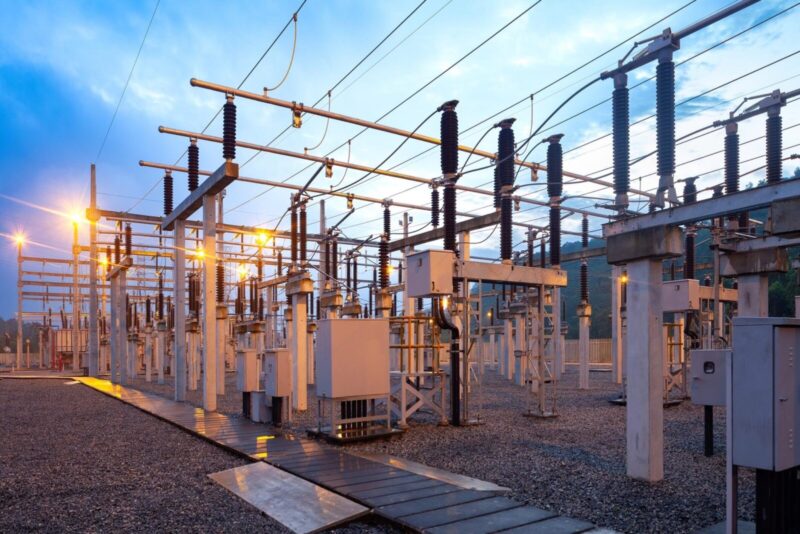
Electrical infrastructure forms the backbone of any large commercial development. From small office complexes to sprawling industrial parks, the power systems must be carefully designed, installed, and maintained to ensure reliability and safety.
Understanding the key components and planning stages is essential for engineers and project managers involved in commercial construction. Proper electrical systems support thousands of daily operations and protect valuable investments.
Power Supply and Distribution Systems
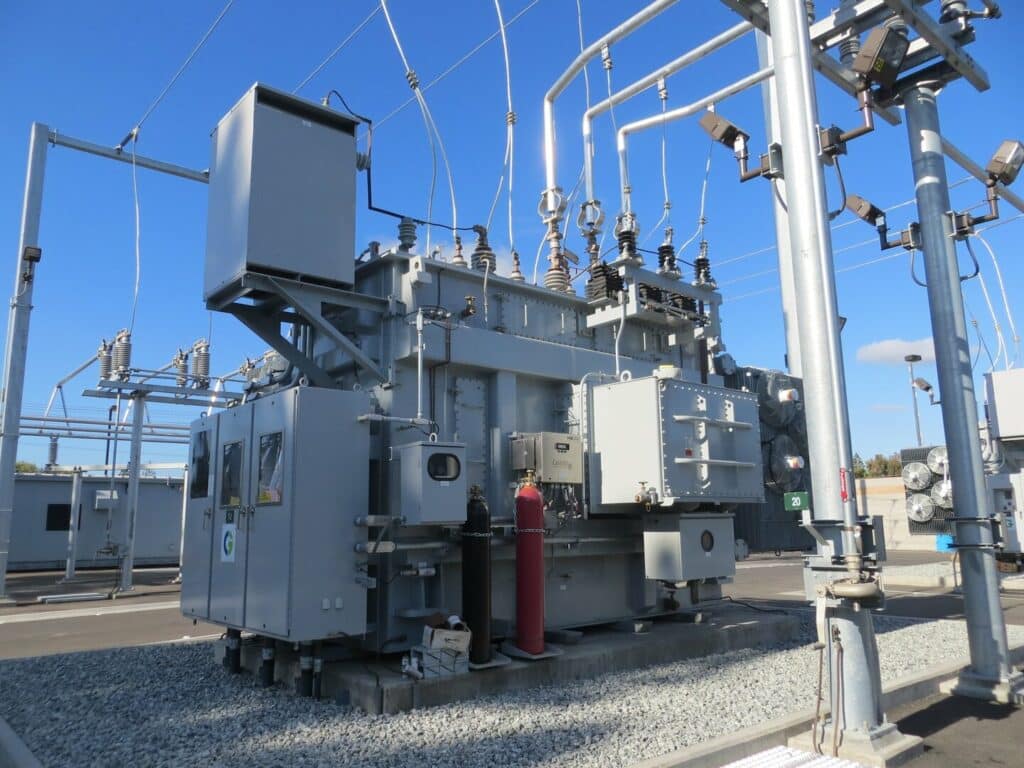
The foundation of commercial electrical infrastructure begins with securing an adequate power supply. Projects require connection to main utility lines, which involves working with local power authorities and understanding regional capacity.
Browse here for medium voltage switchgear products that could help your engineering project anywhere in Australia and across the Pacific. These critical systems manage voltage regulation and ensure efficient power distribution throughout the development.
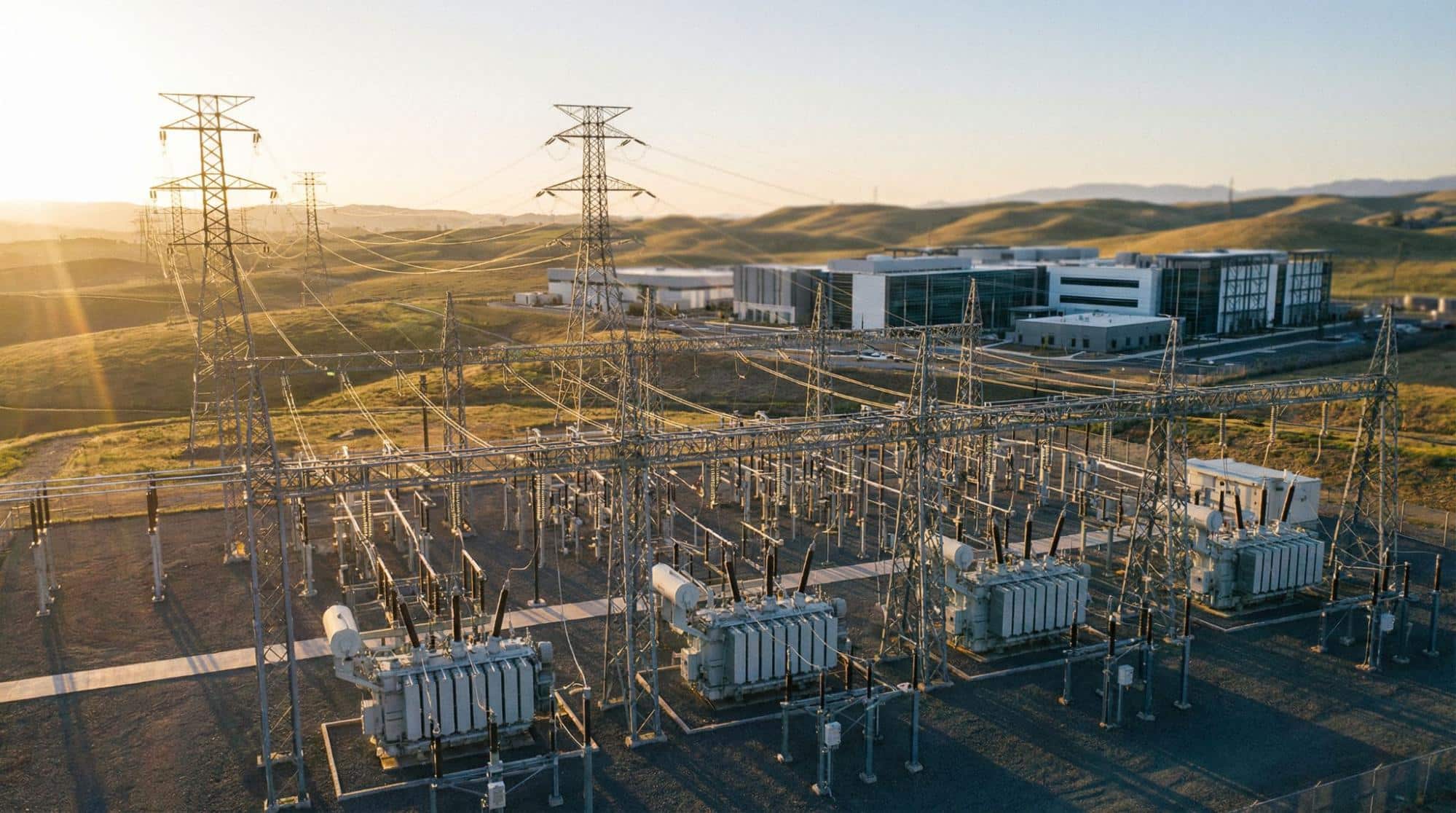
Substations transform high-voltage power into usable levels for commercial applications. Backup generators provide continuity during outages and prevent operational disruptions.
Cable routing systems distribute power safely throughout buildings while maintaining accessibility for maintenance. Proper load calculation and future capacity planning prevent infrastructure bottlenecks as businesses expand and add equipment.
Safety Systems and Compliance Standards

Commercial developments must meet stringent safety codes and regulations established by government authorities. Fire suppression systems, emergency lighting, and backup power supplies are mandatory requirements for all facilities.
Lightning protection systems safeguard buildings and occupants from dangerous electrical hazards during storms. All installations require compliance with IEEE electrical standards and local building codes.
Regular inspections and maintenance schedules keep systems operational and safe throughout the year. Grounding systems protect equipment and personnel from dangerous electrical faults.
Arc flash analysis determines protective equipment requirements for workers. Safety-rated equipment certifications ensure reliability in emergency situations and prevent catastrophic failures.
Control Systems and Monitoring Technology
Modern commercial facilities incorporate advanced monitoring and control systems for optimal performance. Building management systems track energy consumption and optimize power distribution in real-time across departments.
Automated switchgear responds instantly to electrical faults, protecting equipment and minimizing expensive downtime. Smart meters and data analytics help reduce operational costs and identify consumption patterns.
Remote monitoring capabilities allow facility managers to identify problems before they become critical issues requiring emergency repairs. SCADA systems provide centralized control of multiple systems from a single location.
These technologies integrate renewable energy sources and support sustainability goals for businesses. Energy management resources provide valuable guidance for Australian projects.
Proper documentation and training ensure staff can manage these complex systems effectively.
Conclusion
Planning comprehensive electrical infrastructure for large commercial developments requires coordination among engineers, contractors, and regulatory authorities. Success depends on careful load calculations, quality equipment selection, strict adherence to safety standards, and investment in monitoring technology.
With proper planning and implementation, these systems provide reliable power delivery while maintaining safety and efficiency for decades. Early consultation with experienced electrical professionals ensures projects stay on schedule and within budget while meeting all requirements.
Well-designed electrical systems reduce operational costs and support business growth long-term.