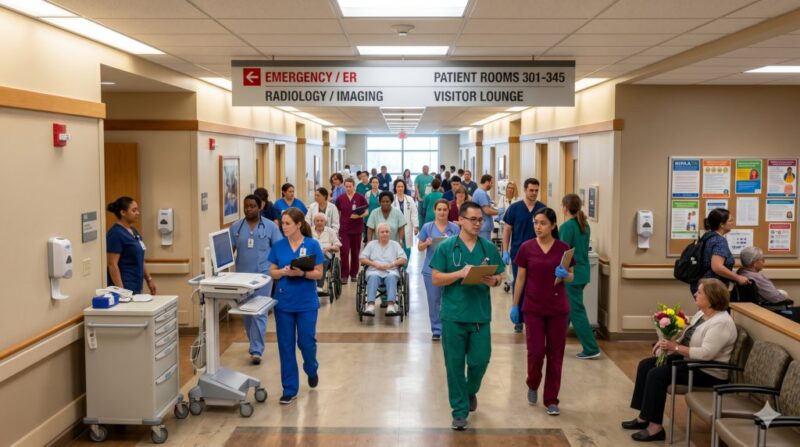
Hospitals and clinics contain areas where patients, healthcare workers and visitors are constantly moving throughout the day. Waiting rooms, corridors, reception areas and treatment spaces can therefore require particular attention as part of infection prevention. Reducing risks depends on consistent cleaning, appropriate hygiene practices and clear procedures rather than occasional intensive cleaning alone.
High-Touch Surfaces Require Consistent Attention

Some surfaces are touched far more frequently than others. Door handles, lift buttons, reception counters, handrails, chairs and shared equipment may be contacted by many people within a relatively short period. Healthcare facilities can account for this by identifying high-touch points and incorporating them into regular cleaning schedules.
The frequency required can vary according to the location, level of use and type of activity taking place. A busy emergency department, for example, has different requirements from an administrative area with limited patient contact.
Healthcare facilities may use trained internal teams, external specialists or a combination of both. Organisations comparing professional options can read more about medical cleaning services and consider whether the provider’s procedures, training and capabilities correspond with the requirements of a clinical environment.
Hand Hygiene and Cleaning Work Together
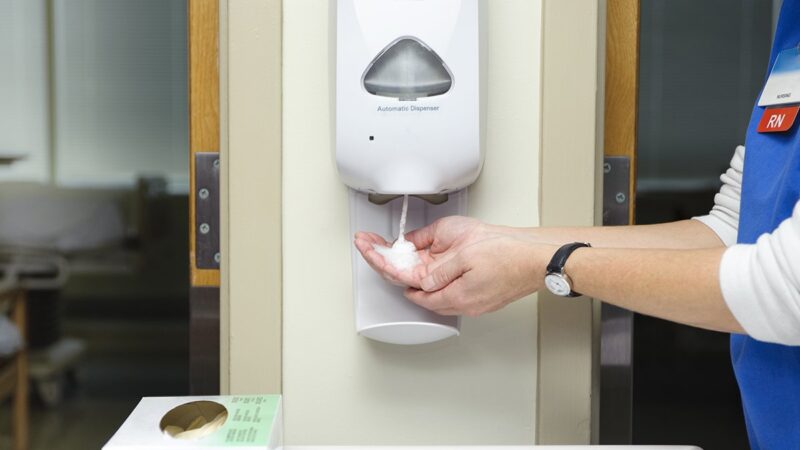
Environmental cleaning is only one part of infection prevention. Hand hygiene remains an important measure because healthcare workers, patients and visitors continually interact with both people and their surroundings.
Facilities can support good hygiene practices by placing suitable hand-cleaning facilities in practical locations and ensuring supplies remain available. Signage can provide useful reminders in entrances, waiting areas and other places where large numbers of people gather.
Staff procedures matter as well. Employees need to understand when particular areas or equipment require cleaning and what action should be taken after spills or contamination. Shared medical equipment should be handled according to appropriate infection-control procedures between uses where required.
Good Facility Design Can Support Infection Prevention

The physical organisation of a healthcare facility can influence how easily high-traffic spaces are maintained. Cluttered corridors, overcrowded waiting areas and surfaces that are difficult to access can complicate routine cleaning.
Choosing materials that can tolerate appropriate cleaning methods can make ongoing maintenance easier. Furniture and equipment should also be positioned so that cleaning teams can reach surrounding surfaces without unnecessarily disrupting clinical operations.
Waste management is another consideration. Appropriate containers need to be available where required, while waste should be handled and removed according to procedures suitable for the healthcare environment.
Regular inspections can help managers determine whether established routines continue to work. Patient numbers, layouts and the way particular rooms are used may change over time, so cleaning schedules and responsibilities should be reviewed rather than treated as permanent.
Conclusion
Reducing infection risks in busy hospitals and clinics requires a coordinated approach. Consistent attention to high-touch surfaces, hand hygiene, suitable cleaning procedures and thoughtful facility management can all contribute to safer healthcare environments. By regularly reviewing how high-traffic areas are used, facilities can adapt their routines as conditions change and maintain appropriate standards throughout daily operations.