
Financial problems rarely appear overnight. In most businesses, they build gradually through small signals in cash balances, bookkeeping, spending, and debt. Recognizing these early warning signs of poor financial management gives owners and managers more time to adjust before problems become serious. This guide explains the most common signs, how they typically develop, and what to check.
Table of Contents
- Why Early Warning Signs Matter
- Cash Flow Strain
- Late Customer Payments and Receivables
- Rising Expenses and Weak Budgeting
- Weak Record Keeping and Internal Controls
- Warning Signs at a Glance
- Growing Debt and Borrowing Pressure
- Stress Signals in Decision-Making
- Strengthening Financial Oversight
- Frequently Asked Questions
- Final Thoughts
Why Early Warning Signs Matter
Poor financial management is not always the result of a single mistake. It often shows up as a pattern: money arrives later than expected, costs creep upward, records fall behind, and the owner relies more on short-term credit to keep operations running. Many small business guidance resources, including the official guide to managing cash flow published by the Australian Government, recommend regular reviews of cash, costs, and profitability so that these patterns are noticed early.
Cash Flow Strain
Cash flow is the movement of money into and out of a business over a period of time. A business can report a profit on paper and still struggle to pay its bills if cash arrives too slowly. Common signs of cash flow strain include:
- Difficulty meeting payroll or paying suppliers on time
- A cash balance that stays close to zero for long periods
- Regular reliance on overdrafts or credit cards for routine operating costs
- Uncertainty about how much cash will be available next month
Cash flow statements and forecasts help identify these issues. Guidance from the U.S. Chamber of Commerce on why small businesses fail notes that cash flow problems can stem from poor budgeting, funding gaps, or inventory management, and that early warning signs such as struggling to meet payroll should be taken seriously.
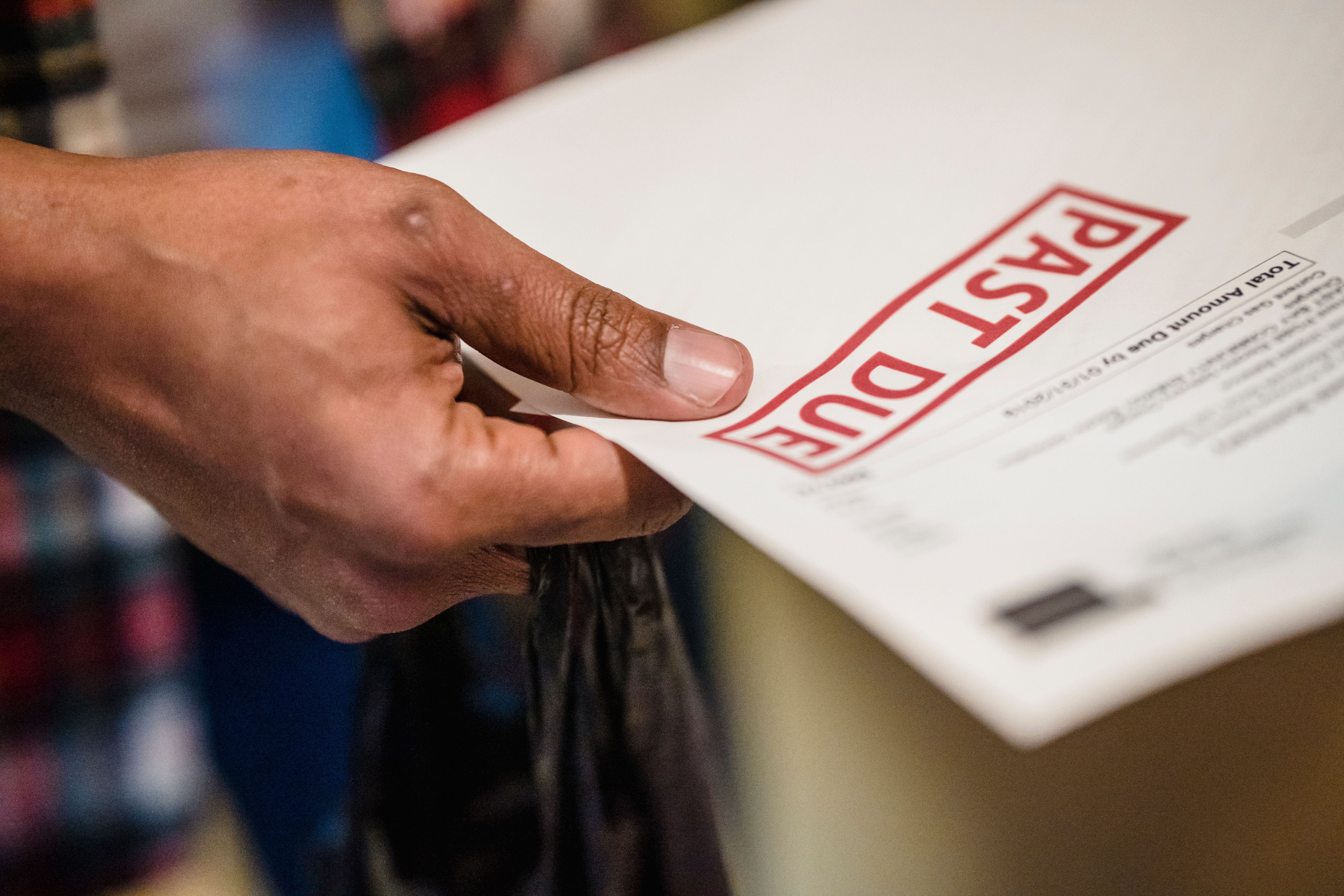
Late Customer Payments and Receivables
Accounts receivable are the amounts customers owe for goods or services already delivered. When these balances grow or age, cash is tied up even though sales have been recorded. Warning signs include:
- A rising share of invoices in the 60- or 90-day aging columns
- Customers who consistently pay after agreed due dates
- Few or no reminders or follow-up procedures for overdue invoices
- Bad debt write-offs that increase from one period to the next
Reviewing an aging report each month makes it easier to spot slow-paying accounts and adjust credit terms or collection practices.
Rising Expenses and Weak Budgeting
Operating costs that grow faster than revenue can quietly reduce margins. A business that does not compare budgeted figures with actual results may not notice the gap until cash is already under pressure. Signs to watch include:
- Overhead costs rising faster than sales over several months
- Recurring subscriptions or contracts that are no longer used but still paid
- Purchases made without clear approval or a documented business purpose
- Cost estimates that are rarely compared with final results
Monthly variance reviews, which compare planned and actual spending, are a common way to identify where money is leaking out of a budget.

Weak Record Keeping and Internal Controls
Accurate records are the foundation of sound financial decisions. When bookkeeping falls behind, reports become less reliable, and decisions are based on incomplete information. The Accountancy Europe analysis of SME insolvency points out that poor record keeping and inadequate internal controls can lead to inaccurate forecasting and may increase the risk of errors, overspending, or fraud.
Typical indicators include:
- Bank accounts that are not reconciled on a regular schedule
- Frequent corrections to journal entries after a period has closed
- Payments that lack invoices or supporting documents
- No separation between people who approve spending and people who record it
Warning Signs at a Glance
The table below summarizes several common warning signs, what they may indicate, and a practical check an owner or manager can carry out.
Growing Debt and Borrowing Pressure
Some debt is a normal part of running a business, and it can fund useful growth. Problems tend to arise when debt payments take up a growing share of cash flow. Signs of borrowing pressure include:
- Loan repayments that consume a rising percentage of monthly operating cash
- Requests from lenders for more information than usual
- Difficulty meeting loan covenants, which are conditions set out in loan agreements
- Refinancing or extensions being needed to cover existing obligations
Projecting debt service against expected cash inflows can show whether a business has a reasonable margin of safety. Specific covenant requirements and lending conditions depend on each agreement, so the terms of the individual loan should always be reviewed with the lender or an adviser.

Stress Signals in Decision-Making
Financial weaknesses can also appear in how decisions are made. Leadership teams under financial strain may show patterns such as:
- Pricing that does not cover costs or reflect the true cost of delivery
- Expansion into new products or markets without a written cash plan
- Delayed responses to declining sales or changing market conditions
- Reliance on one person for all financial knowledge, with no backup
Official early warning frameworks, such as the U.S. Treasury appendix on early financial warning signs, group indicators into balance sheet, income statement, and management categories. This structure can help a business review its own position in a consistent way.
Strengthening Financial Oversight
Many organizations address these issues by reviewing corporate spending and financial oversight processes on a regular basis. In practice, this usually means separating approval and payment duties, setting spending limits, requiring supporting documents for payments, and reviewing reports with someone who is not involved in preparing them. Such measures are generally scaled to the size and complexity of the business, and small companies can often apply simpler versions of the same controls.
Frequently Asked Questions
What is the most common early warning sign of poor financial management?
Cash flow strain is among the most frequently cited early signs, including difficulty paying bills on time, relying on credit for routine costs, and a cash balance that stays low for extended periods.
How often should a business review its finances?
Many advisers suggest reviewing cash flow, budgets, and aging reports at least monthly, with more frequent checks during periods of growth or seasonal change. The appropriate schedule depends on the size and needs of each business.
Can a profitable business still have financial management problems?
Yes. A business can record a profit while experiencing cash shortfalls, for example when customers pay slowly or when large amounts are tied up in inventory or receivables.
Final Thoughts
The warning signs of poor financial management tend to appear in cash balances, receivables, expense patterns, record quality, and borrowing levels well before a crisis occurs. Reviewing these areas on a steady schedule, comparing plans with actual results, and seeking professional advice when signals persist can help a business respond while there is still room to act.